
About the Regional Education Office
The Lubombo Regional Education Office (REO) is one of four regional education offices established under the Ministry of Education and Training of the Kingdom of Eswatini. Located in the town of Siteki, the REO serves as the principal administrative body responsible for overseeing, coordinating, and supporting all educational activities across the Lubombo region.
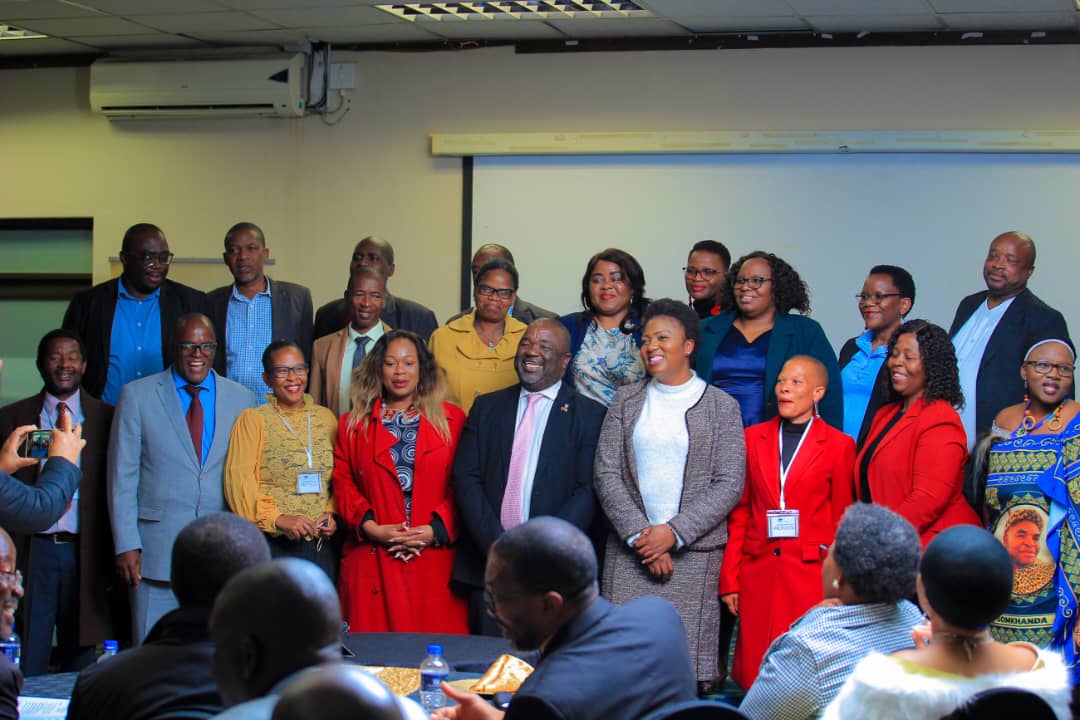
Our Mandate
The REO Lubombo is mandated to ensure that quality education is accessible to all learners within the region. This includes the management and supervision of primary schools, secondary schools, and tertiary institutions operating within the Lubombo region. We work closely with school principals, teachers, parents, and community leaders to create an enabling environment for effective teaching and learning.
Regional Coverage
The Lubombo region is the largest of the four regions in Eswatini by land area, covering the eastern part of the country. It encompasses several constituencies including Siteki, Big Bend, Mhlume, Simunye, Lenkuntfu, and surrounding communities. The region is home to a diverse population with a strong commitment to educational development.
Our Values
- Excellence: We strive for the highest standards in education delivery and administrative performance.
- Integrity: We conduct all our operations with transparency, honesty, and accountability.
- Inclusivity: We ensure that every learner, regardless of background or ability, has access to quality education.
- Innovation: We embrace modern approaches and technologies to enhance teaching and learning outcomes.
- Collaboration: We work in partnership with all stakeholders to achieve shared educational goals.
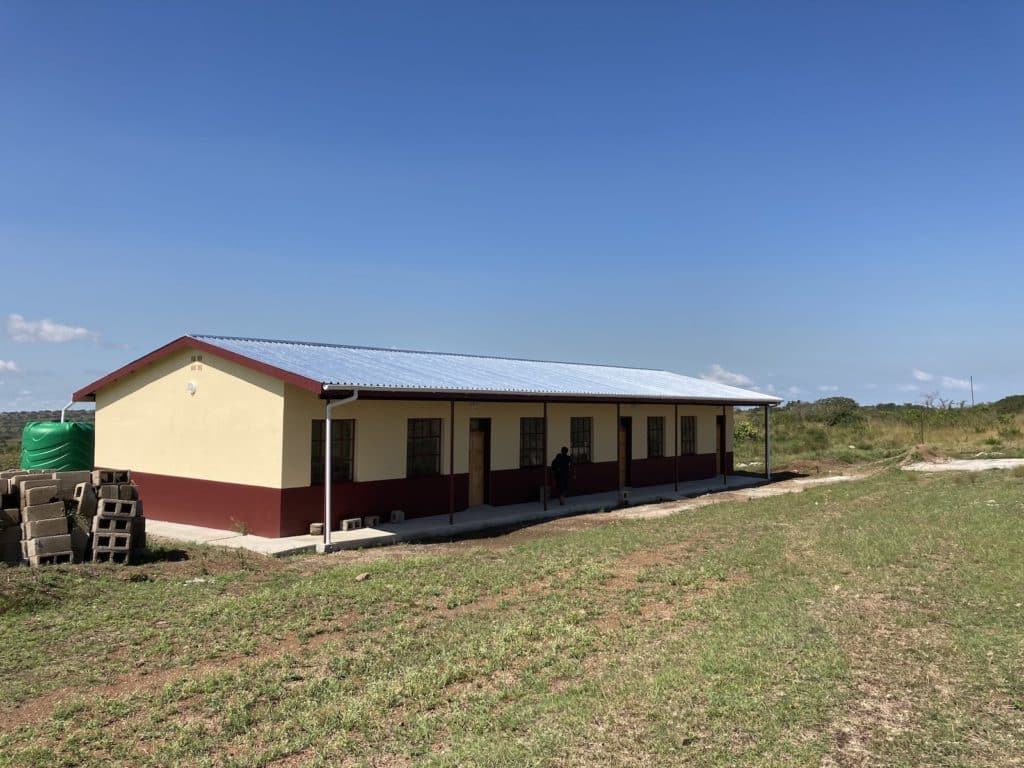
Mhlumeni High School
Our Departments
Meet the departments that drive education excellence in the Lubombo region.
Inspectorate
Ensuring the delivery of quality education across the Lubombo Region
The Inspectorate Department ensures the delivery of quality education across Lubombo Region by supervising teaching standards, curriculum implementation, and learner outcomes. Our inspectors serve as catalysts for innovation, inclusion, and continuous improvement in Eswatini’s schools.
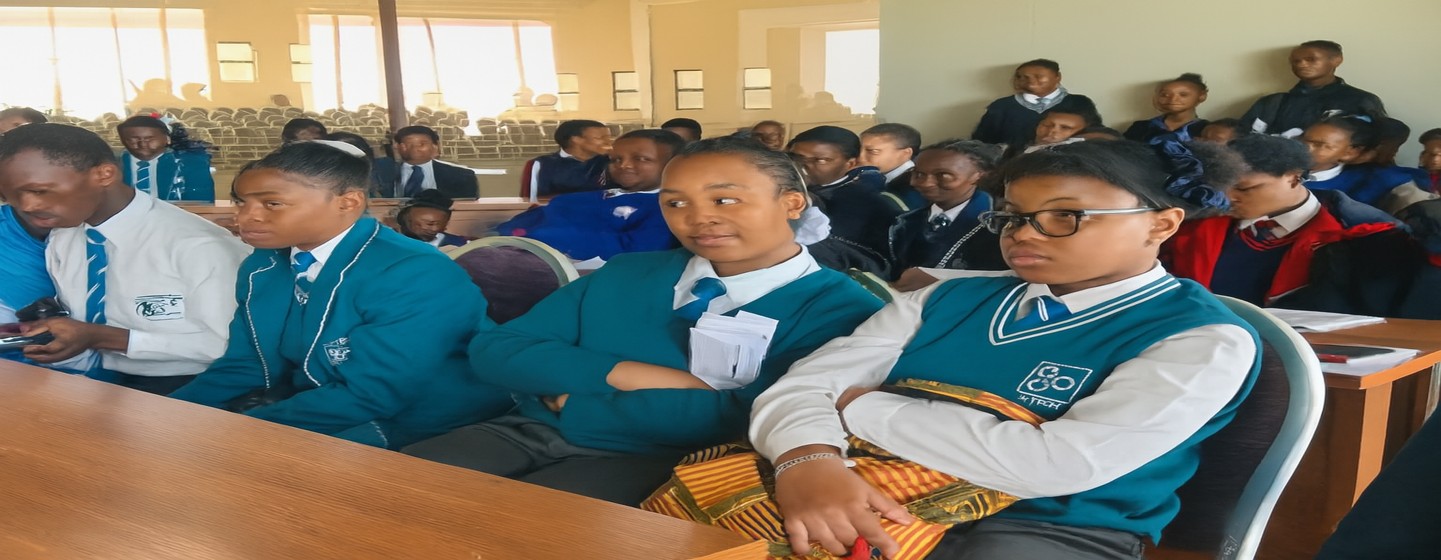
U-Tech High Learners
Inspectorate Cadres
Primary Cadre
- Monitor Early Childhood and Primary School teaching practices
- Support curriculum delivery and inclusive education
- Guide schools on learner assessment and foundational literacy
Secondary Cadre
- Supervise subject-specific teaching across secondary schools
- Promote digital learning and career readiness
- Ensure alignment with national curriculum and assessment standards
ECCDE
Early Childhood Care and Development Education
Early Childhood Care and Development Education (ECCDE) in Eswatini provides the foundation for lifelong learning, health, and well-being. It focuses on nurturing children aged 0–8 years, ensuring they grow in environments that support their physical, emotional, social, and cognitive development.
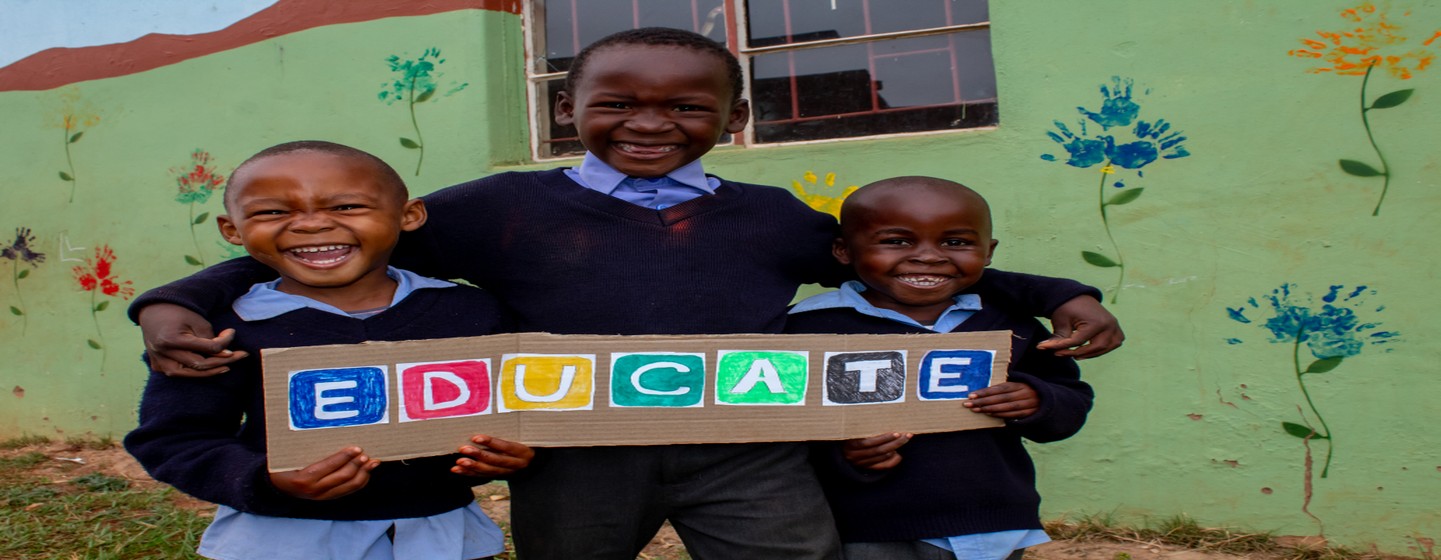
Grade 1 Learners
Our Mission
Our mission is to provide a safe, nurturing, and stimulating environment where every child can grow holistically — physically, emotionally, and intellectually. We are committed to fostering curiosity, creativity, and a love for learning through child-centred approaches. We ensure that every child receives the foundation needed for lifelong success.
Our Vision
Our vision is to be a leading center of excellence in Early Childhood Care and Development Education, recognized for empowering children to reach their full potential. We aspire to build a future where every child, regardless of background, has access to quality early education that promotes equity, resilience, and readiness for primary schooling and beyond.
Curriculum Highlights — Play-Based Learning
- Play-based learning as the ECCDE mode of instruction
- Language development in both siSwati and English
- Numeracy skills through interactive activities
- Life skills education, including health, hygiene, and environmental awareness
- Cultural values and identity, fostering pride in Eswatini’s heritage
Guidance & Counselling
ETGPS Department — Building the whole person
Mission Statement
The ETGPS department of the Ministry of Education and Training, guided by the principles of the counselling profession and government documents, and drawing from international instruments related to the field, advocates to build the whole person through the provision of such services as guidance, counselling, testing and health education. To this end the department shall strive to ensure the existence of adequately trained full-time personnel and sufficient structures.
Purpose
Guidance and Counselling is a cross-cutting service offered from primary to tertiary levels, ensuring the holistic development of learners.
Guidance & Counselling
Psychosocial support for learners
Measurement & Testing
Assessment and evaluation services
Health Education
Promoting health and wellness
Programmes Offered
Schools as Centres of Care and Support (SCCS)
The SCCS programme, led by the Ministry of Education and Training in partnership with UNICEF and MiET, addresses the impact of poverty, HIV & AIDS on children and their school communities. It promotes holistic support through psychosocial care, staff development, child protection, and career guidance.
In-Service (INSET)
Continuous Professional Development for Educators
Mission
To empower teachers and education staff through continuous professional development, ensuring they acquire relevant skills, knowledge, and attitudes that enhance teaching quality, learner outcomes, and overall school effectiveness. The department strives to provide equitable, accessible, and innovative training opportunities that respond to national priorities and global education trends.
Vision
To be a leading center of excellence in teacher development in Eswatini, fostering a professional teaching workforce that is competent, motivated, and responsive to the evolving needs of learners, schools, and communities. The vision emphasizes creating a sustainable culture of lifelong learning among educators.
Teachers’ Resource Centre — Siphofaneni
The Teachers’ Resource Centre (TRC) provides educators with access to teaching materials, ICT facilities, and professional development workshops. It serves as a hub for training, collaboration, and career support to strengthen teaching quality across Eswatini schools.
Key Services
The In-Service Department in Eswatini provides continuous professional development through training and workshops to improve teaching quality. It builds educator capacity with modern skills, collaborates with partners like UNICEF and UNESCO, and promotes innovation in teaching, ICT, and inclusive practices. The department also monitors and evaluates programmes to meet evolving school needs while ensuring access to resources through Teachers’ Resource Centres and regional offices.
Teaching Service Commission (TSC)
Managing and regulating the teaching profession in Eswatini
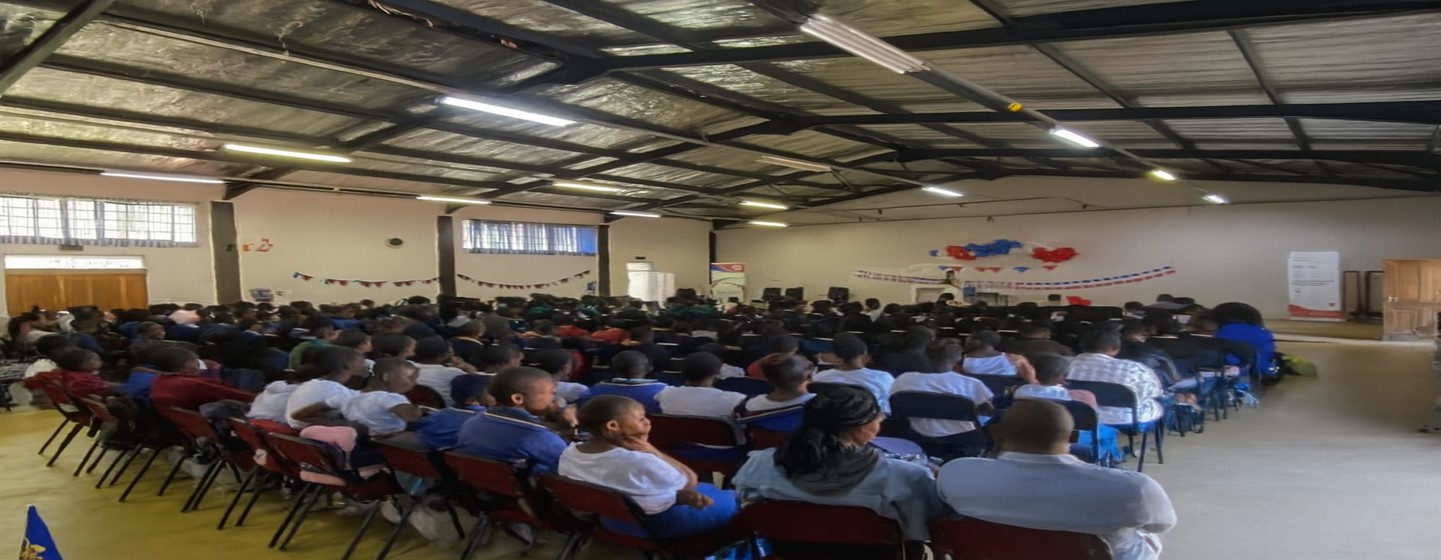
REO Hall
Mission
To manage and regulate the teaching profession in Eswatini. To ensure fair recruitment, appointment, promotion, and discipline of teachers. To uphold professional ethics and safeguard the rights and responsibilities of educators.
Vision
To establish a credible, professional, and respected teaching service. To support quality education by maintaining high standards in teacher management. To foster trust and accountability between teachers, schools, and the Ministry of Education.
What the TSC Ensures
Key Duties of the TSC
- Recruitment & Appointment: Select and appoint qualified teachers and school leaders.
- Disciplinary Oversight: Handle misconduct cases and enforce professional codes of conduct.
- Promotion & Transfers: Manage career progression and deployment of teachers.
- Policy Implementation: Enforce the Teaching Service Act (1982) and Regulations (1983).
- Collaboration: Work with the Ministry of Education, SNAT, UNICEF, UNESCO, and other partners.
- Protection of Rights: Safeguard teachers’ rights while ensuring accountability.
Accounts
Financial Management & Free Primary Education
Process of Claiming FPE Funds
- Enrolment Records Submission — Each school compiles accurate enrolment figures at the beginning of every term. Records must include learner names and grades.
- Verification by School Administration — The Head Teacher verifies enrolment data and signs off before submission.
- Submission to REO Accounts Department — Schools submit verified enrolment records to the Regional Education Office (REO) – Accounts Department. Submissions must meet deadlines set by the Ministry of Education and Training.
- Validation & Approval — The Accounts Department reviews and validates the records. Any discrepancies are communicated back to the school for correction.